
Artist. Inventor. Innovator. Founder.
From an Artist’s Vision to a Legacy of Safer Surface Care
The ROG story began at Walt Disney World in 1972 and grew through decades of craftsmanship, field experience, engineering evaluation, and documented commercial use.
It started with an artist
In 1972, artist, inventor, and entrepreneur Vincent P. Vallone operated a custom glass-etching studio at Walt Disney World’s Magic Kingdom. He transformed ordinary glass into personalized artwork with the precision of a craftsman and the curiosity of an inventor.
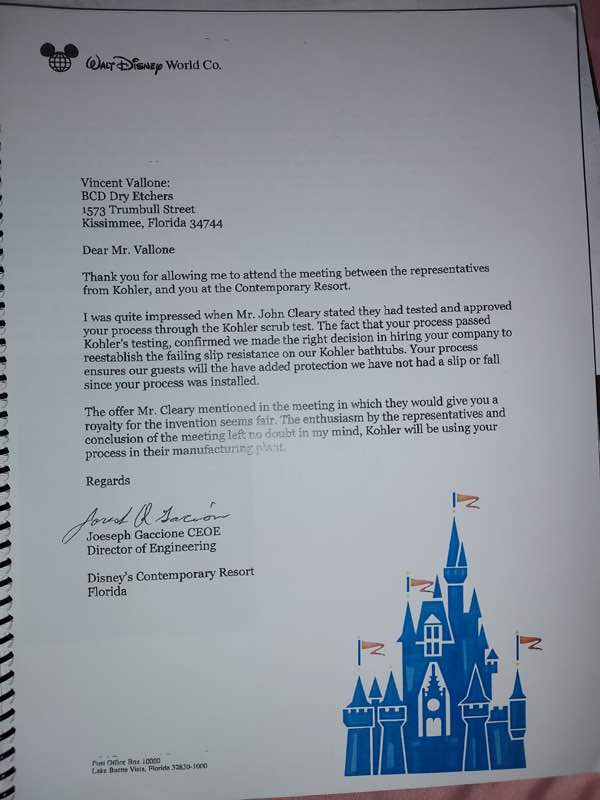
According to the company’s history, a Disney Imagineer asked whether the same precision etching techniques could be adapted to improve traction on porcelain bathtubs without changing their appearance. Vincent accepted the challenge. Experimentation and refinement led to a microscopic etched surface that was used at Disney’s Contemporary Resort. What began as an artistic skill had become a practical surface-care innovation.

A technology that caught Kohler’s attention
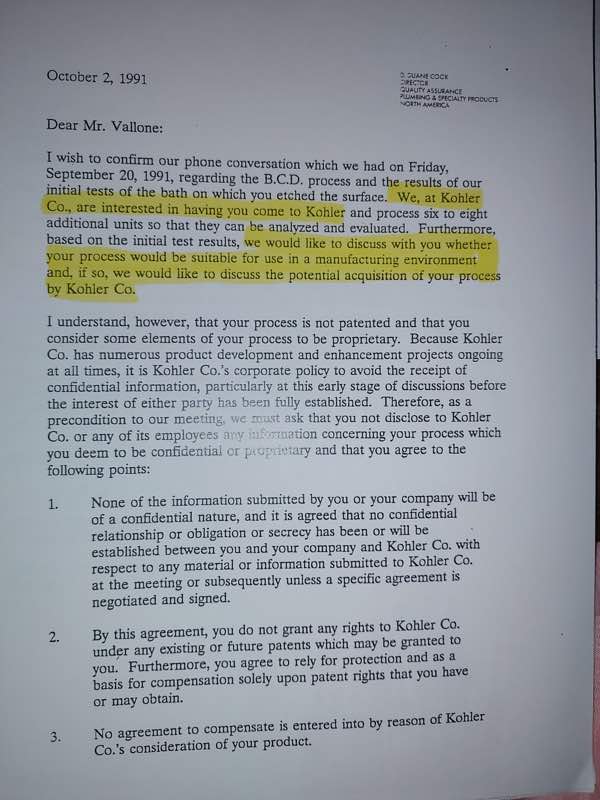
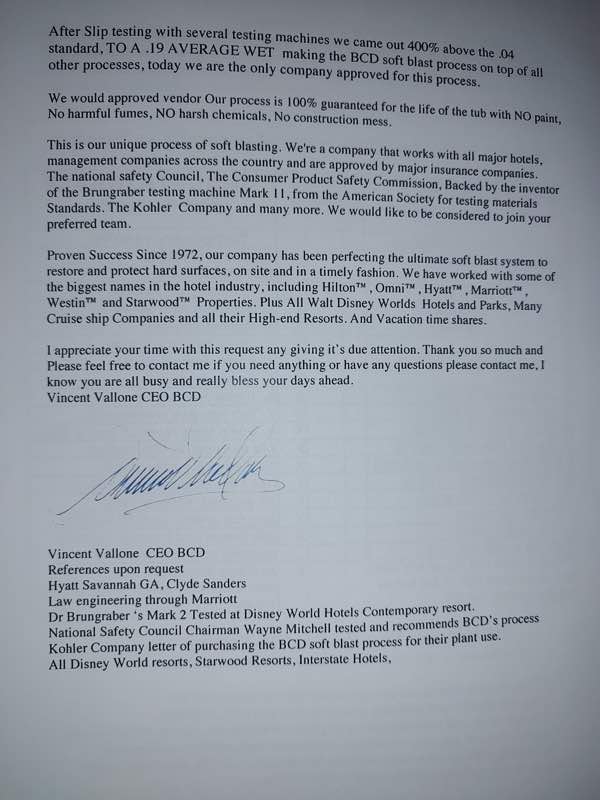
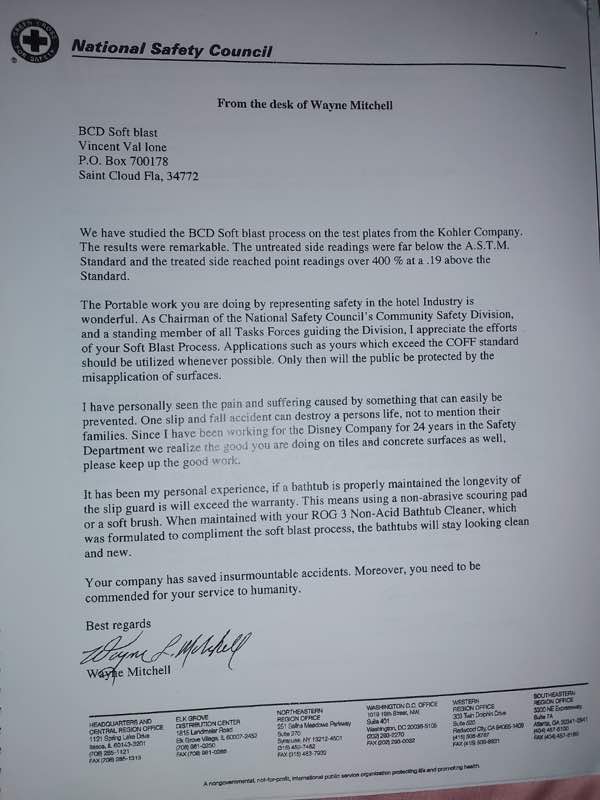
Historical correspondence in the ROG archive documents Kohler’s interest in evaluating the process. Representatives examined the installation and invited further discussion of testing and potential applications. For a small company built on artistry and problem-solving, that attention was an important milestone.
The archive is presented here so visitors can read the original documents for themselves. These records are historical evidence; they should not be read as a current blanket endorsement of every product, surface, or use.
From Disney to hotels and resorts
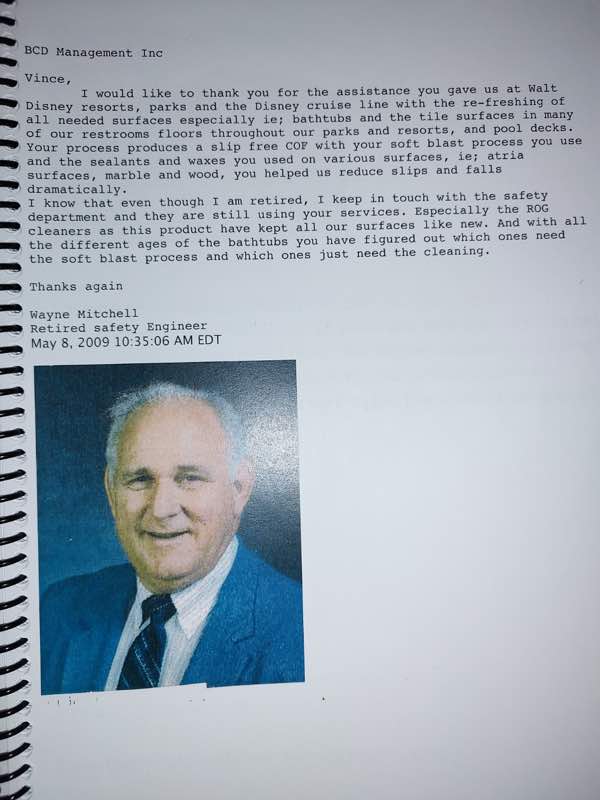
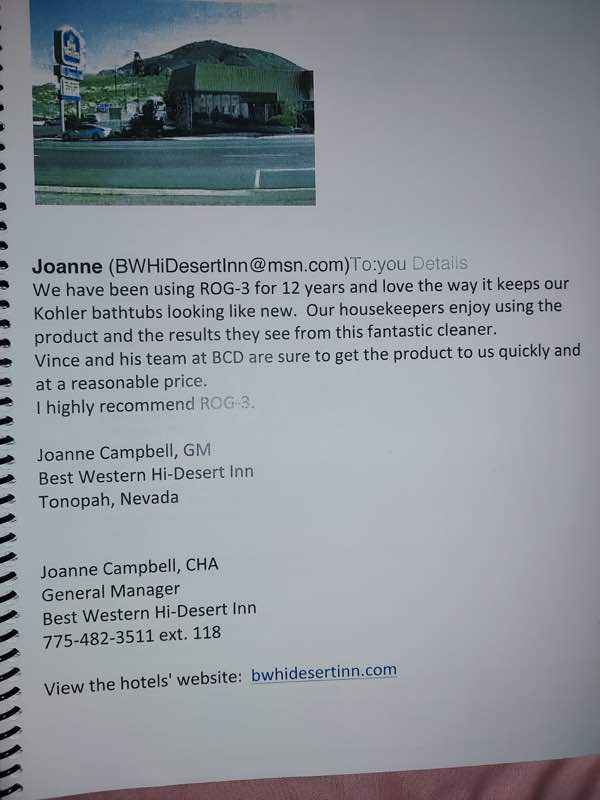
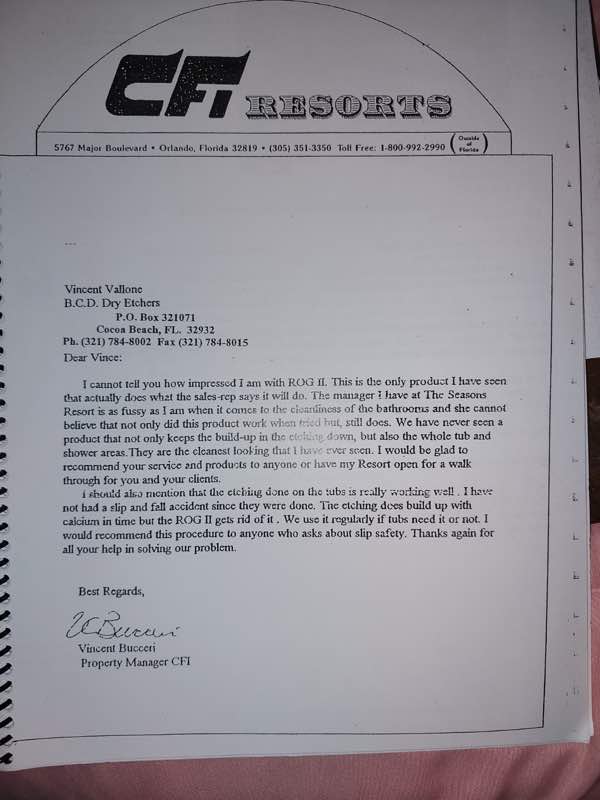
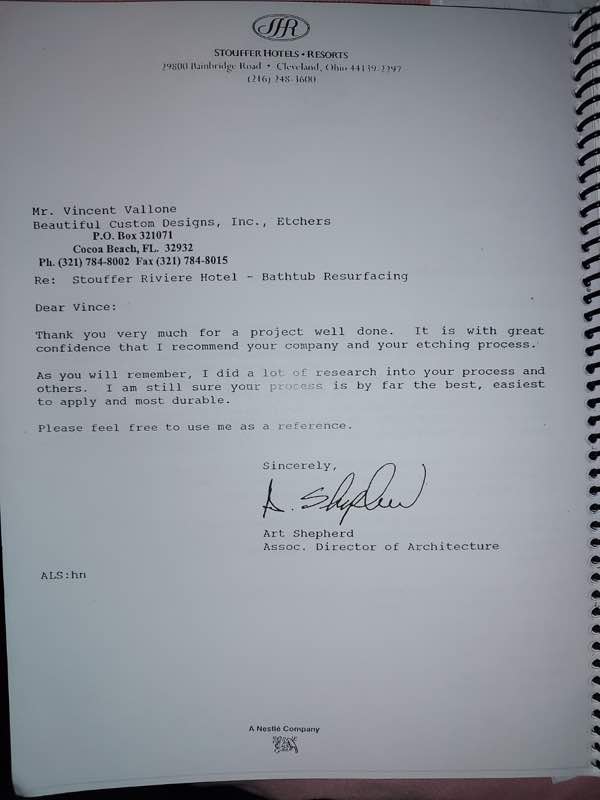
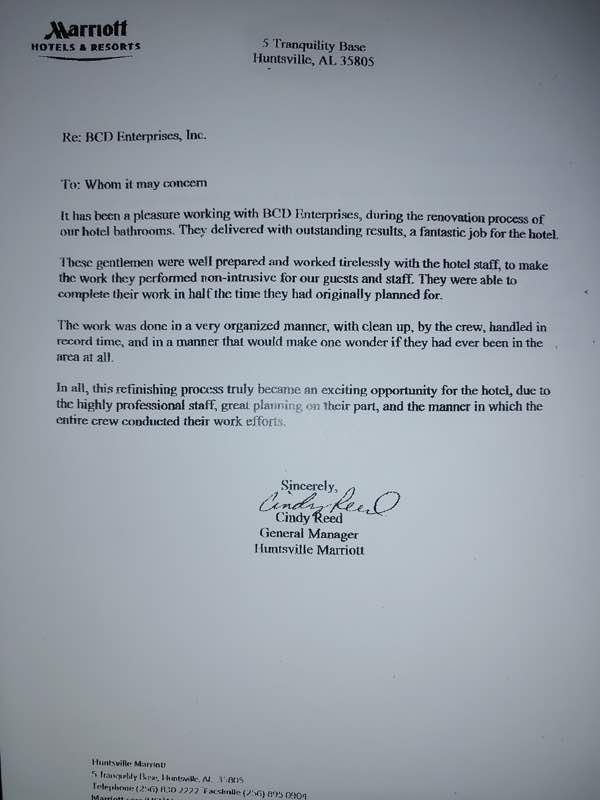
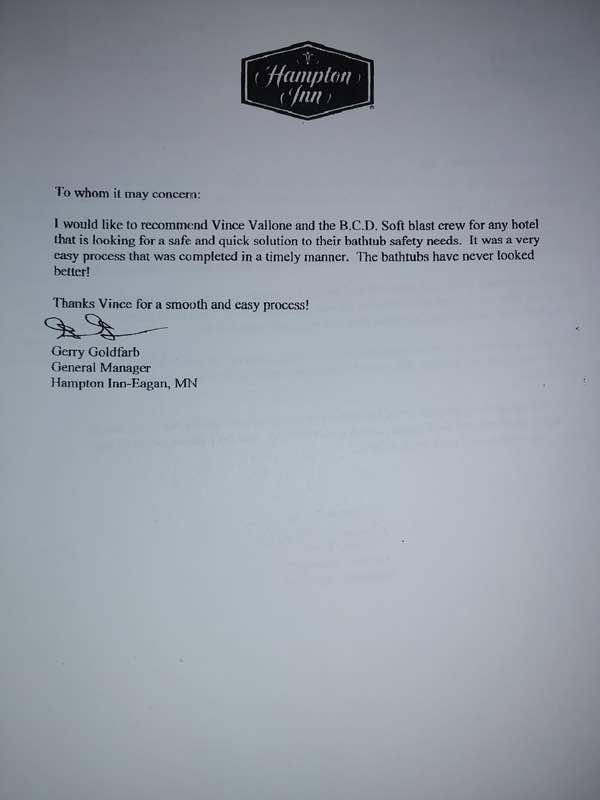
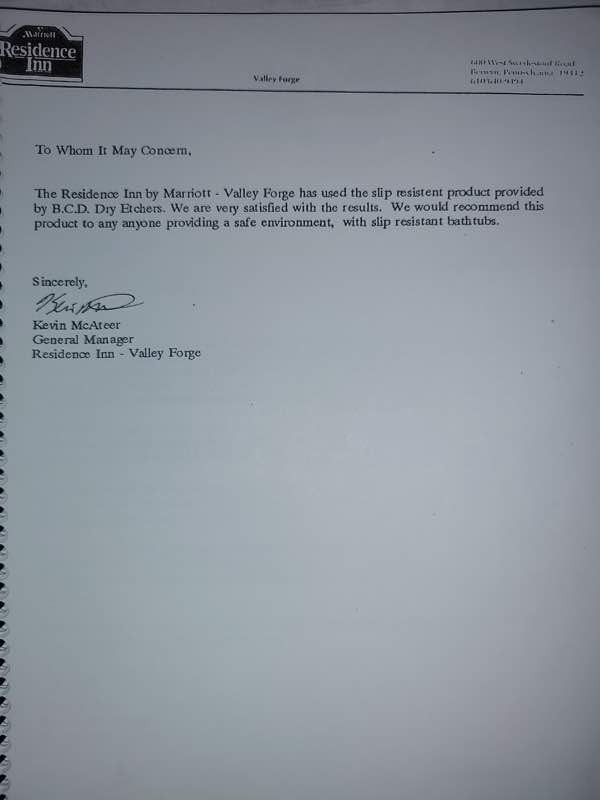
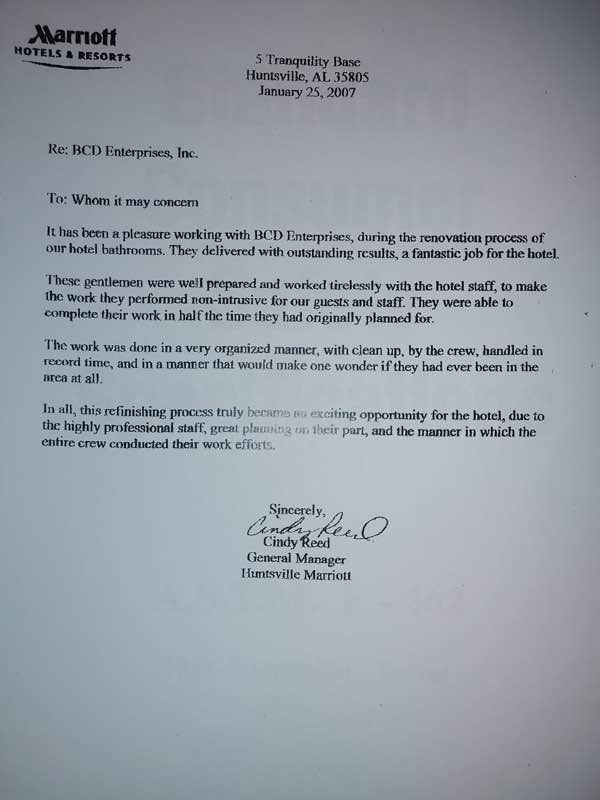
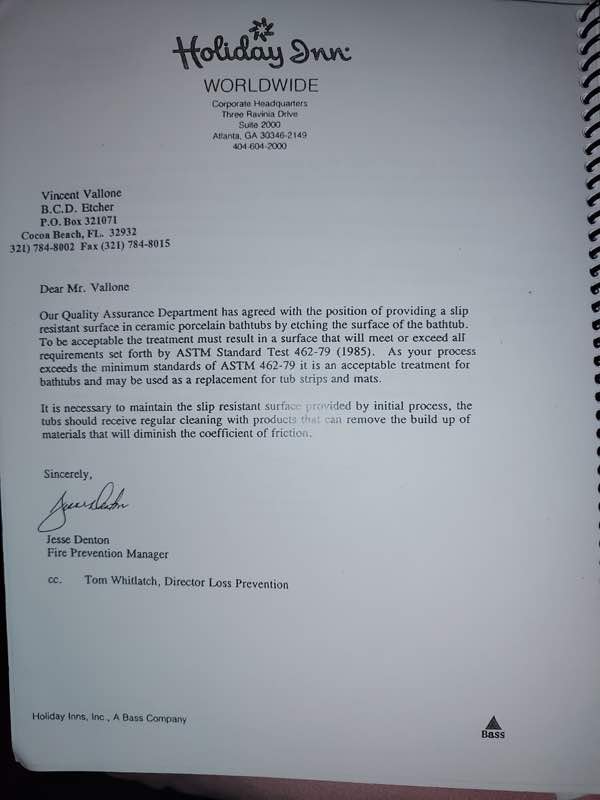
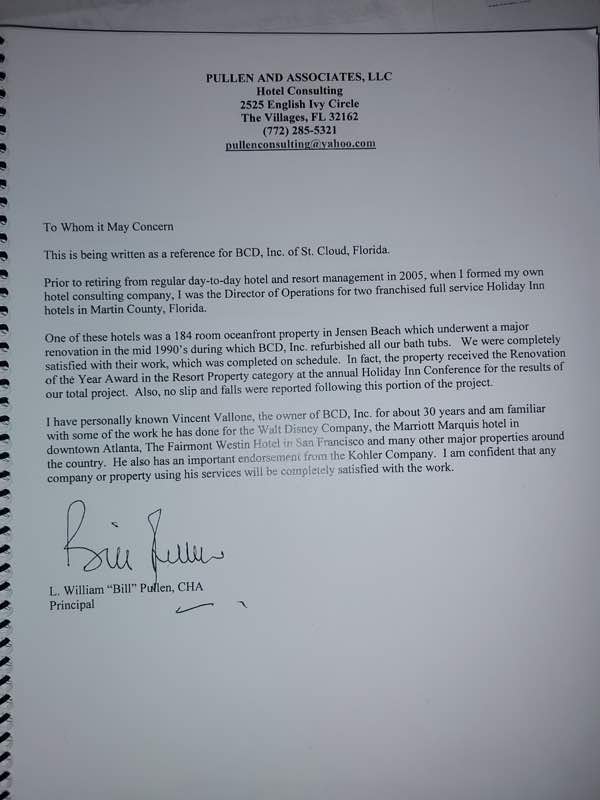
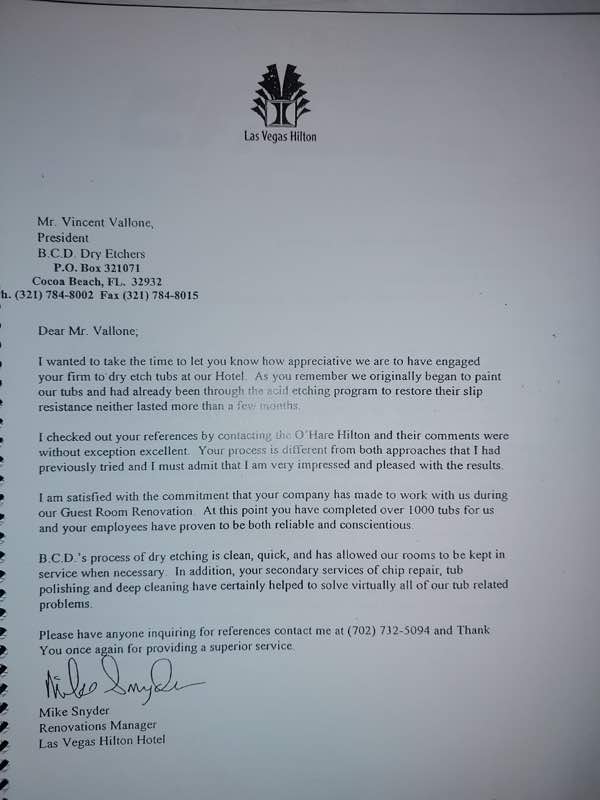
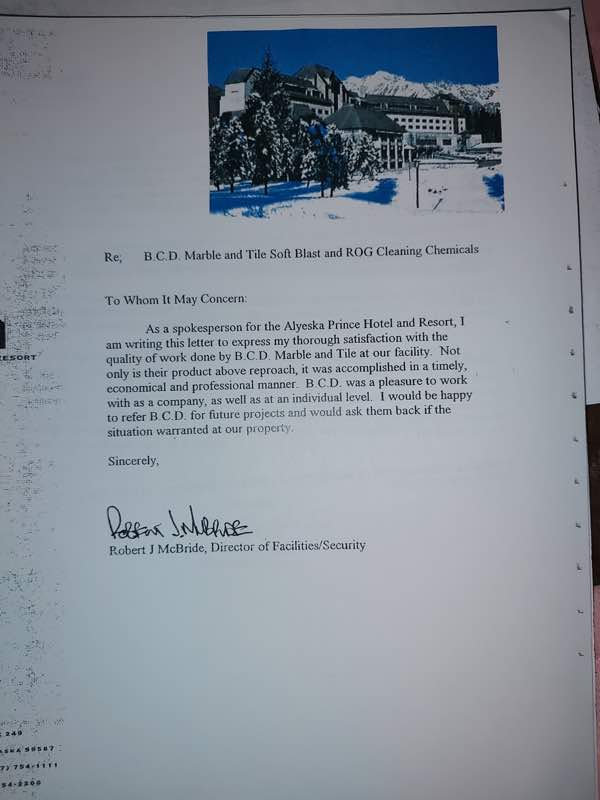
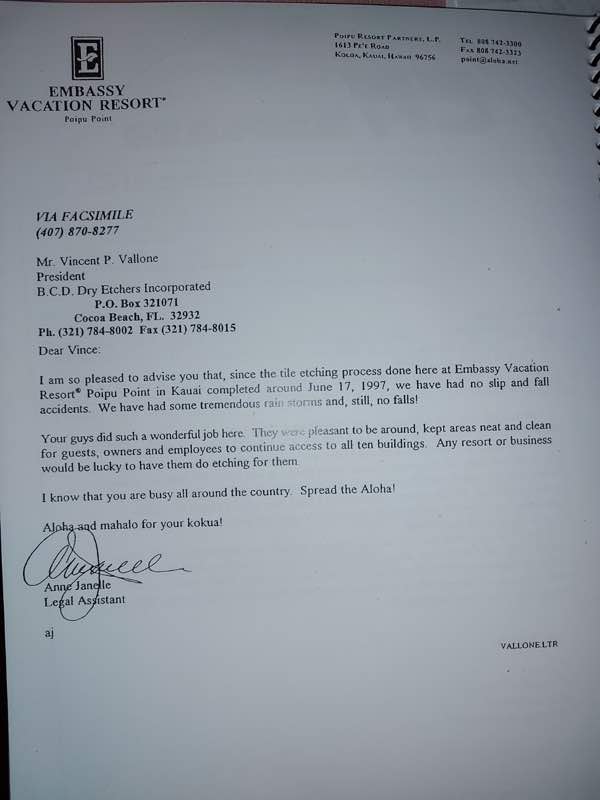
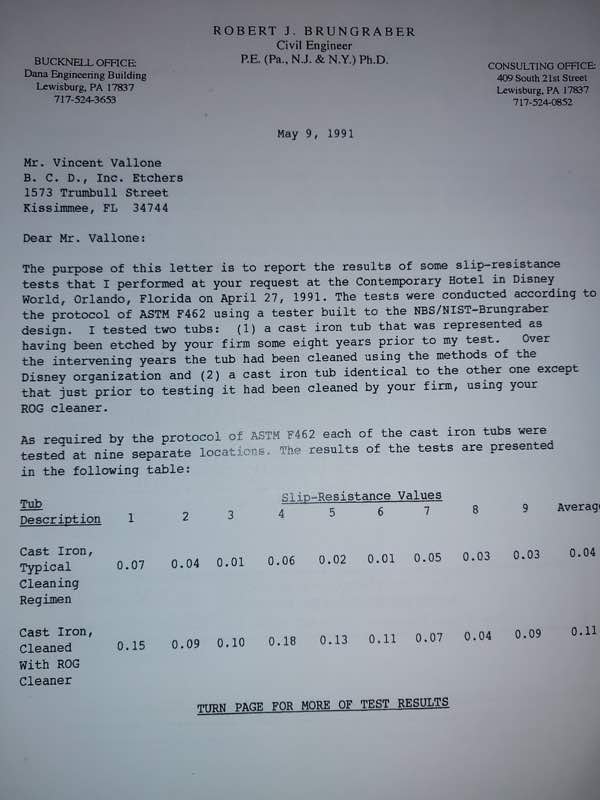
Over the following decades, Vincent and his team worked with hotels, resorts, and facilities where appearance, guest access, and consistent maintenance mattered. Letters from managers, engineers, safety professionals, and property operators describe completed work, ongoing cleaning programs, and long-term field experience.
Those letters do not replace present-day testing or a site-specific safety program. They do show the breadth of the company’s commercial history and the care taken to document it.
Discovering the missing piece
Commercial experience revealed that creating a textured surface was only part of the job. Soap scum, body oils, mineral deposits, and ordinary bathroom buildup can interfere with the feel and cleanliness of a surface. Vincent’s response was to develop a maintenance system—ROG1 and later ROG3—intended to remove buildup from compatible surfaces while supporting the care of professionally etched textures.
ROG products are cleaners, not coatings, and they do not make any surface slip-proof. Users should follow the current label and safety data, confirm surface compatibility, rinse thoroughly, and use inspection, testing, documentation, and other appropriate controls as part of a broader safety program.



Backed by documented testing
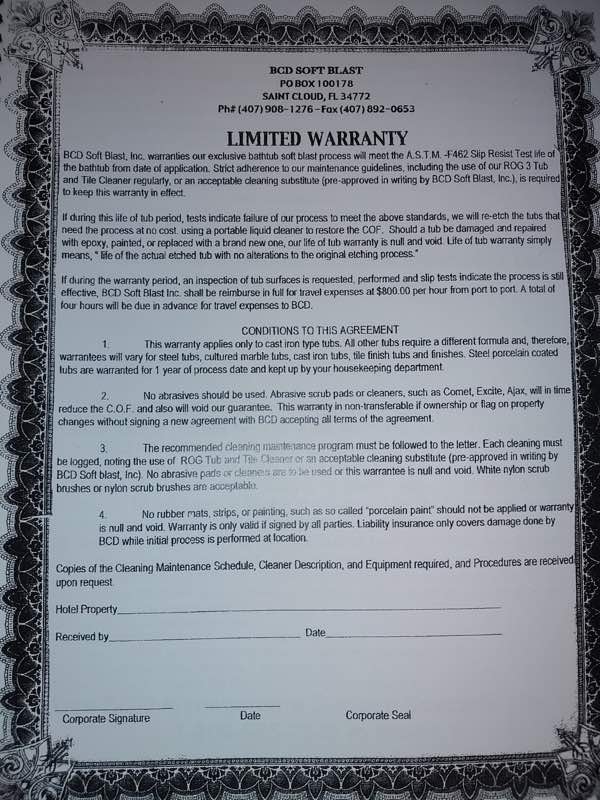
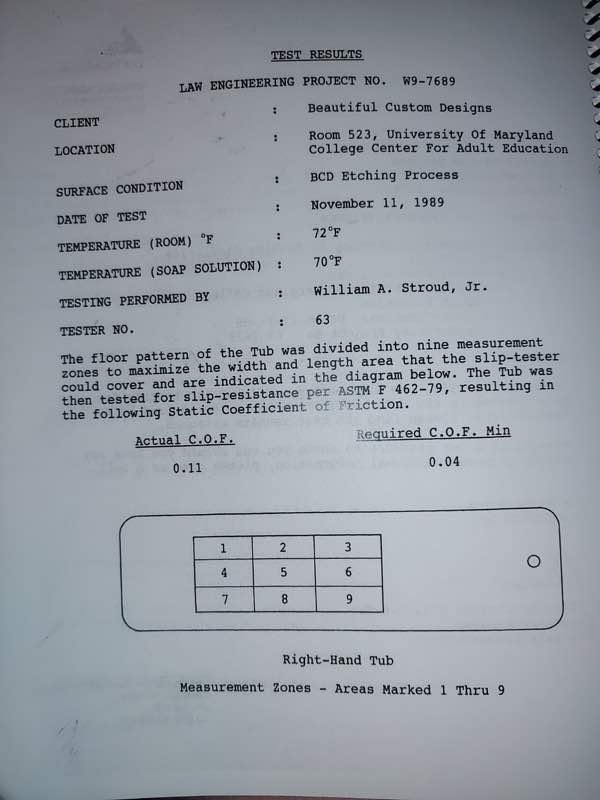
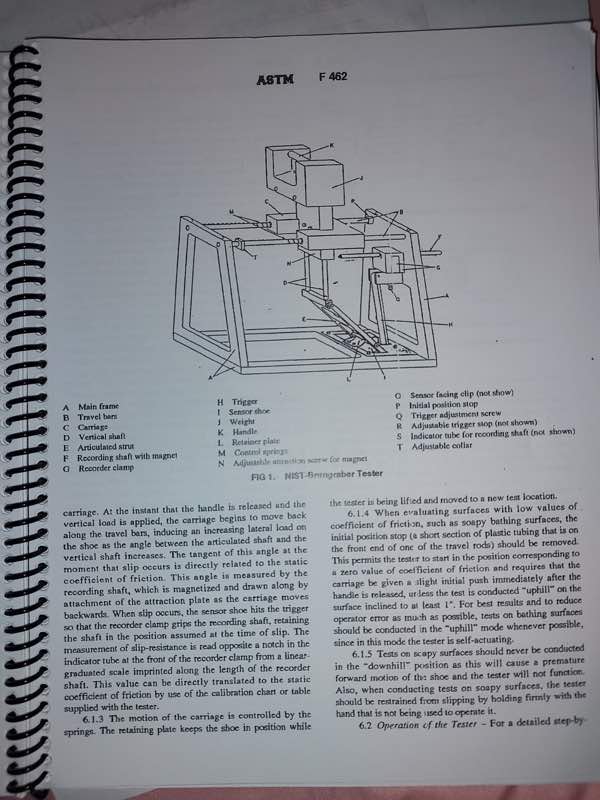
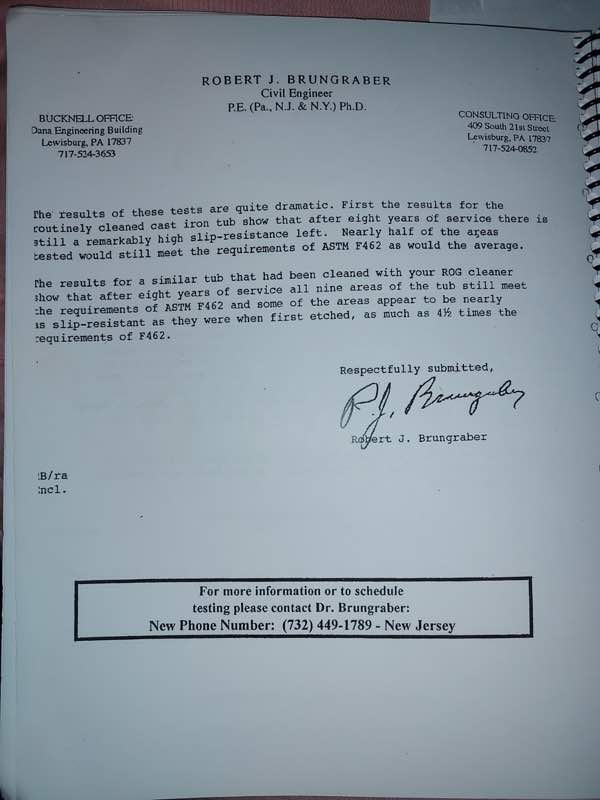
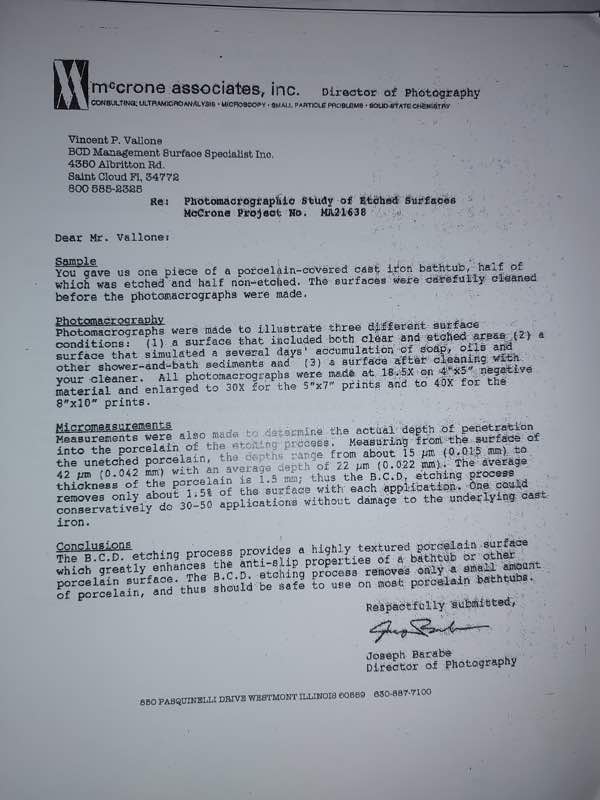
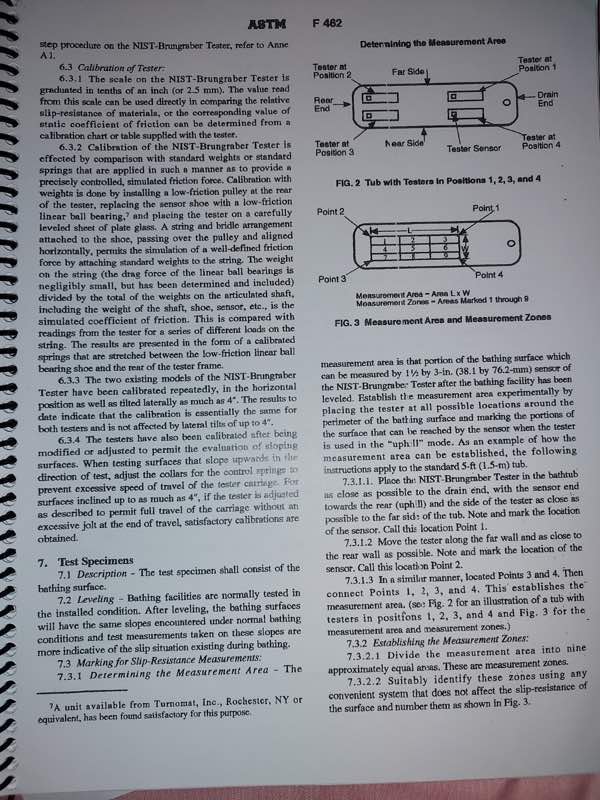
The archive includes engineering correspondence, microscopy, test-method documents, coefficient-of-friction evaluations, and technical analysis. Together they reflect a long-running effort to measure performance rather than rely on assumptions.
Test results apply to the specific samples, conditions, instruments, and dates described in each record. They are not a guarantee that every surface will perform the same way. Current conditions should always be evaluated with appropriate professional methods.


Carrying the legacy forward
Today, ROG continues the work Vincent Vallone began more than five decades ago: combining careful surface cleaning with clear instructions, documentation, and respect for real-world conditions. The company’s history is unusual because so much of it survives in original letters, reports, test pages, photographs, and customer records.
That evidence is part of the story—but the practical promise to today’s buyer is simple: transparent product information, secure checkout, responsive support, and products designed for focused care of compatible bathroom surfaces.
Historical documents are shown for transparency. Product use must follow current labels, instructions, safety data, and surface-manufacturer guidance.